Need to redo PVC fitting?

Lukewalker64

New Member
Messages
14
Reaction score
1
Points
3
Location
Virginia, USA
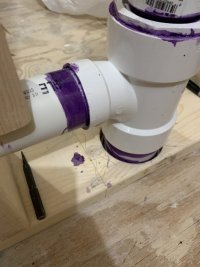
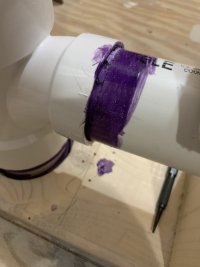
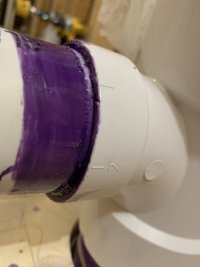
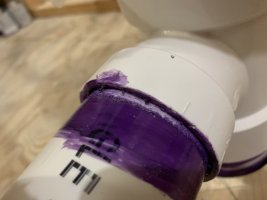
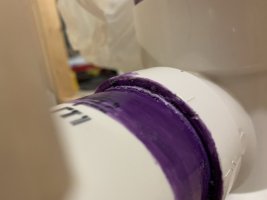
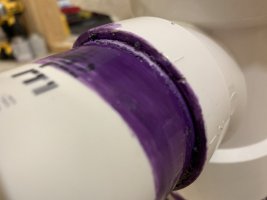
I’m installing a new laundry room drain, and one of my connections looks like it does not have as solid of a connection as the others. The tee is pretty close with a number of fittings, so it’d be quite a bit of work to cut it out and start over, as I’d have to replace at least four fittings. Is this necessary? I’ve attached a few photos of the connection in question. Appreciate any feedback.
 

Attachments

  • DD59A0B8-C27E-4CEE-8CBB-352256D41D35.jpeg
    DD59A0B8-C27E-4CEE-8CBB-352256D41D35.jpeg
    65.9 KB · Views: 350
  • 4082B249-16C5-4430-8B32-480DE57E609D.jpeg
    4082B249-16C5-4430-8B32-480DE57E609D.jpeg
    45.2 KB · Views: 391
  • 9D7D9663-2CB9-4EB6-B4F8-13CA790A9B72.jpeg
    9D7D9663-2CB9-4EB6-B4F8-13CA790A9B72.jpeg
    38.2 KB · Views: 337
  • E3120B37-77E9-486E-8C63-7D97A654CB66.jpeg
    E3120B37-77E9-486E-8C63-7D97A654CB66.jpeg
    40.7 KB · Views: 323
  • 72FAADD7-C035-456E-B5DB-9B87F11575F8.jpeg
    72FAADD7-C035-456E-B5DB-9B87F11575F8.jpeg
    31.8 KB · Views: 312
  • 95B5E046-7FAA-4058-83DB-146B1D929D70.jpeg
    95B5E046-7FAA-4058-83DB-146B1D929D70.jpeg
    36.4 KB · Views: 344
When installing plumbing, testing with ten ft head of water is what is the only way to know that we have leak free system.
Primer only belongs on the interference depth.
You can ooge some four to six layers of cement on that particular joint, waiting for each layer to dry.
 
looks like its not in very far but i only see that its maybe backed out an 1/8 inch however all that primer makes me wonder .
So you tell us how far is the pipe pushed in 3/4 inch ? more ? less? 3/4 I wouldn't like but a true 3/4 might be ok. 1/2 inch or less replace it . the white line could be partly from rocking the pipe on insertion if the ends aren't totally square and that little bit not an issue
 
One little trick I do with PVC primer, get the measured depth to where the pipe hits the stop inside the fitting. Add about 1/8-1/4" and circle the pipe with painters tape at this measurement. This also helps knowing that you bottomed out because sometimes the cement sets so fast, you're fumbling with something and then the pipe will not easily slip into the fitting and not bottom out. After making the connection, remove the tape and you'll get a nice clean look.

PVC primer softens the PVC, it is purple so an inspector knows that it was used. PVC cement is a chemical bond so both the pipe and fitting PVC actually joins together. Using too much primer may reduce the bonding strength because it is too thick. This maybe why the 2" pipe seemed that is pulled out a bit.
 
Last edited:
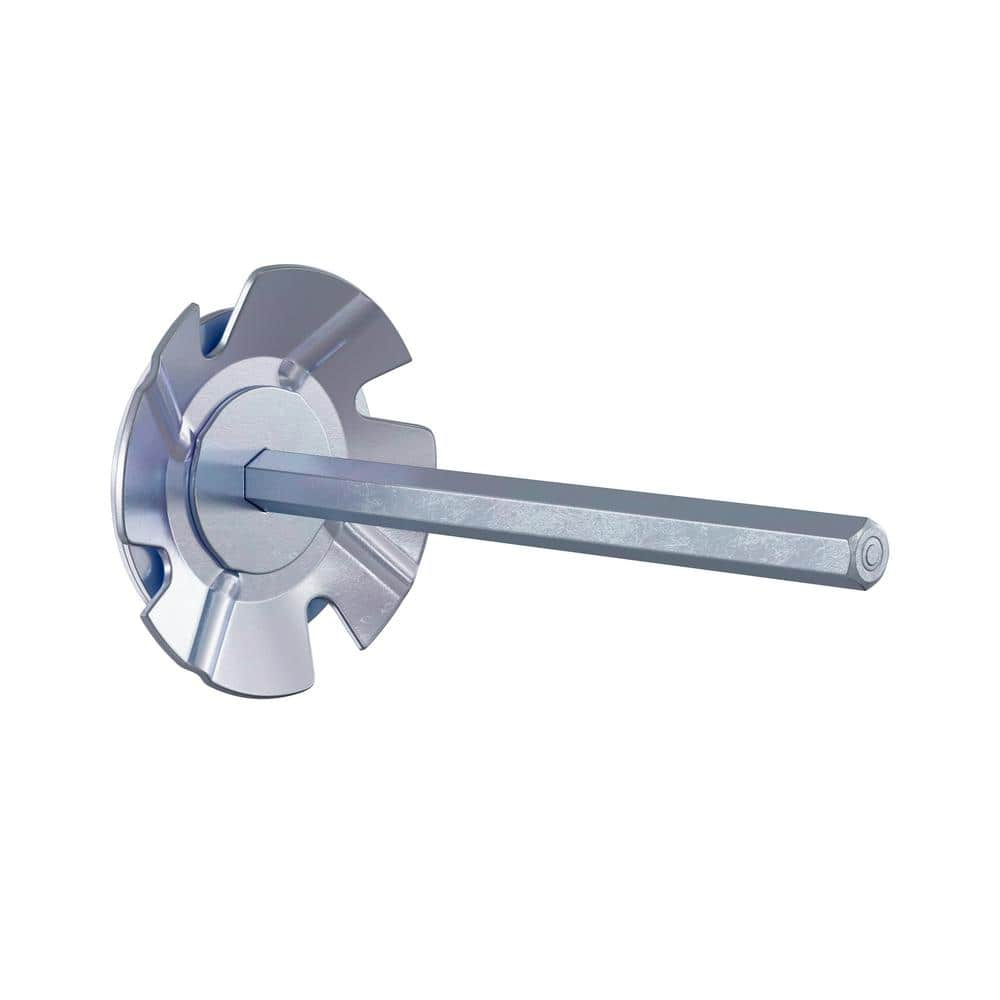
Get one of these, made in several sizes. It may prevent from having to cut out the TEE.

 
If I had to warranty the work, I would redo it. Use the reemer Worth linked to remove that section of pipe from the tee.
 
Measure socket depth mark pipe 1/2 - 1" out with pencil to tack your depth. Purple primer is only necessary for inspected piping clear primer is the same without the color.
 
looks like its not in very far but i only see that its maybe backed out an 1/8 inch however all that primer makes me wonder .
So you tell us how far is the pipe pushed in 3/4 inch ? more ? less? 3/4 I wouldn't like but a true 3/4 might be ok. 1/2 inch or less replace it . the white line could be partly from rocking the pipe on insertion if the ends aren't totally square and that little bit not an issue
I pushed it in all the way until it couldn't go in any more, and then held it past the count of 60 so it wouldn't push back out. So it's in pretty much all the way. The white line appeared after I connected the other end of the pipe to the coupling and then the next piece of pipe to that to go through the next stud. The holes in the studs are drilled to have 1/4" slope, so I think the torque on the end of the pipe made this one separate a bit from the angle it was originally connected at.
 
Get one of these, made in several sizes. It may prevent from having to cut out the TEE.

If I had to warranty the work, I would redo it. Use the reemer Worth linked to remove that section of pipe from the tee.
This looks a cool tool. It looks like it shreds the pipe though--does it not also damage the interior of the fitting? If the interior of the fitting is not smooth, does that create potential for leaks?
 
If it has to be inspected and worried about it pick up some plumber epoxy comes in a stick run a bead over the joint. Wet finger will smooth it out.
 
This looks a cool tool. It looks like it shreds the pipe though--does it not also damage the interior of the fitting? If the interior of the fitting is not smooth, does that create potential for leaks?
As with any tool, used correctly it works. If you're afraid of being too rough after the cut, just be sure to hold the drill level and steady. You can use Oatey Rain-R-Shine Medium Blue PVC Cement. It is much thicker than regular clear PVC cement with a light coating of primer.

 
I pushed it in all the way until it couldn't go in any more, and then held it past the count of 60 so it wouldn't push back out. So it's in pretty much all the way. The white line appeared after I connected the other end of the pipe to the coupling and then the next piece of pipe to that to go through the next stud. The holes in the studs are drilled to have 1/4" slope, so I think the torque on the end of the pipe made this one separate a bit from the angle it was originally connected at.
with the latest information I wouldnt be worried about it at all your testing it right?
 
Back
Top